Maku Studios is a concept clothing brand created to explore how a strong visual identity can exist across apparel, packaging, marketing, and digital platforms. The brand combines upscale streetwear with bohemian fashion influences inspired by Caribbean-American culture. The project focused on designing a complete brand ecosystem rather than individual garments. The final outcome includes brand guidelines, apparel concepts, jewelry designs, packaging, website designs, and marketing assets.The core philosophy behind the brand is captured in the concept statement:
“Joy is the active pursuit of happiness.”
This idea reflects the belief that positivity and intentional action shape how people experience life. Maku Studios translates that idea into a visual language that feels expressive, optimistic, and culturally rooted.
The Challenge
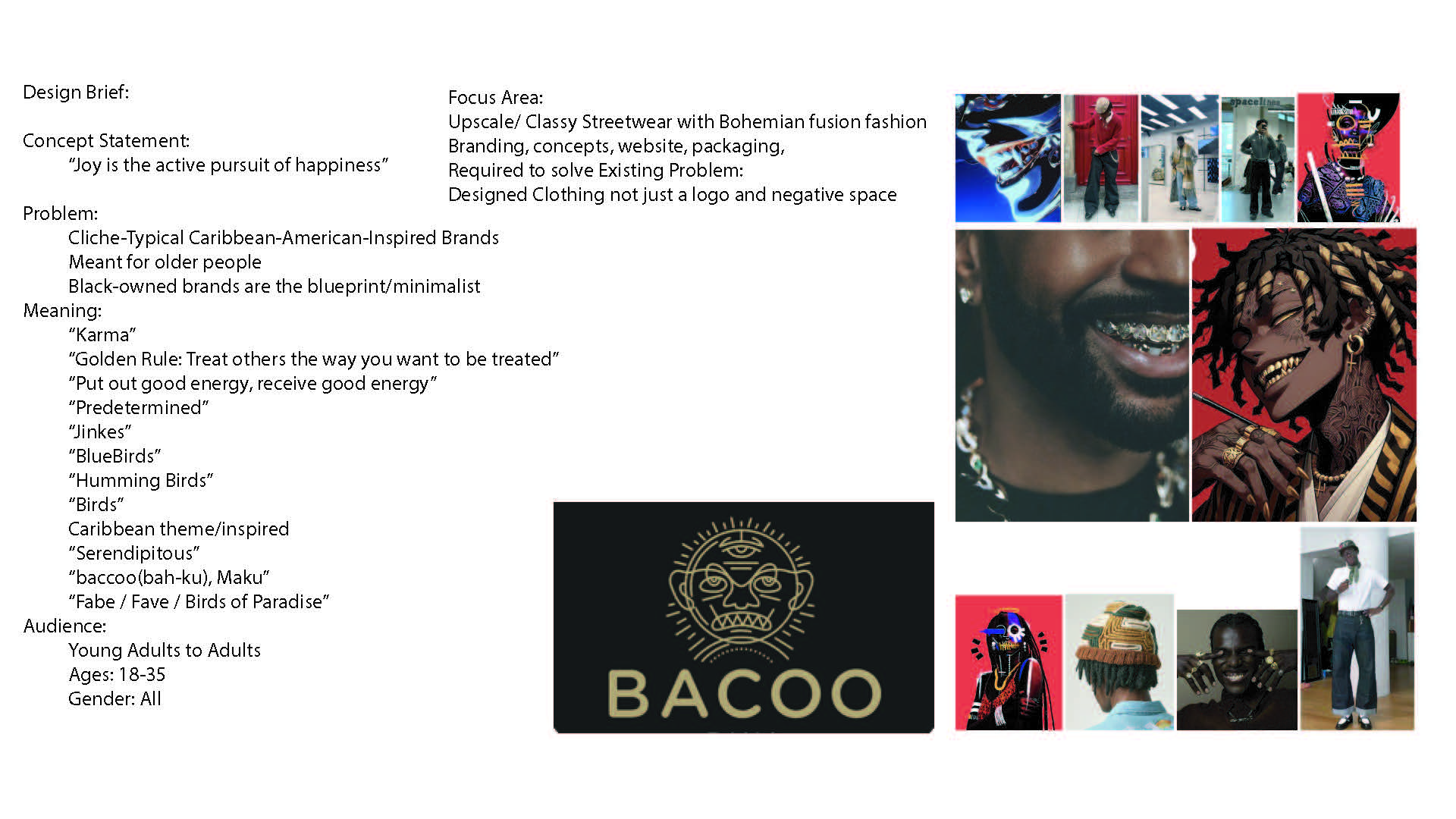
While researching Caribbean-inspired fashion brands, several patterns became apparent. Many brands leaned heavily on minimal branding systems or logo-only graphics. Others targeted older audiences and did not connect with younger consumers who engage with streetwear culture and expressive fashion. At the same time, many Black-owned fashion brands face challenges with design originality and brand differentiation, especially when visual ideas become widely replicated. Because of this, there was an opportunity to design a brand that:
Speaks to younger audiences
Embraces bold and expressive graphics
Moves beyond simple logo placements
Builds a complete and recognizable visual identity
The challenge became designing a brand that combines culture, storytelling, and fashion while remaining cohesive across multiple platforms.
Research and Inspiration
Cultural Inspiration
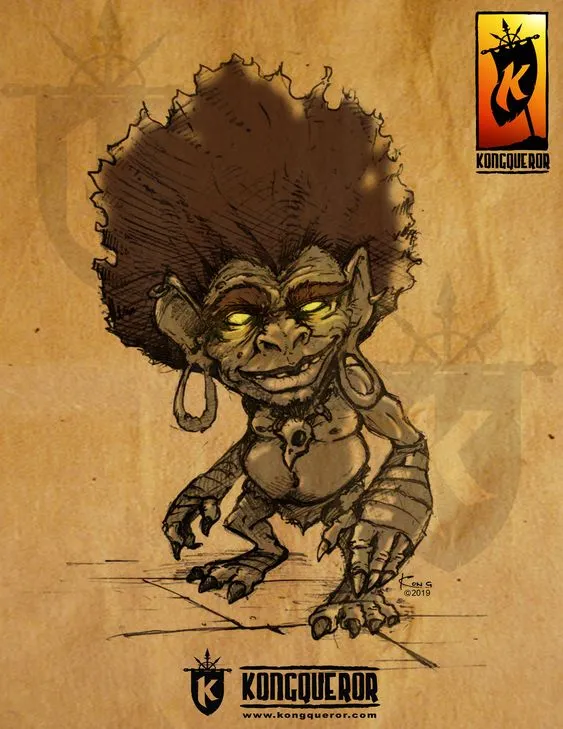
The Bacoo, a mischievous spirit from Barbadian and Guyanese folklore, inspired the brand name Maku. According to legend, the Bacoo is a bottle spirit believed to bring wealth and fortune when treated well, but create chaos if mistreated. This folklore served as an imaginative starting point for the brand identity and visual storytelling.
Brand Meaning Exploration
During the concept phase, multiple themes and ideas were explored to guide the brand narrative.
Examples included:
Karma
The Golden Rule
Positive Energy & Reciprocation
Serendipity
Bird Symbolism and Caribbean Motifs
Through these explorations, the idea of joy as an intentional pursuit of happiness became the core message of the brand.
Competitive Observations
Research into existing Caribbean-inspired clothing brands revealed several trends:
Heavy reliance on minimal logos
Limited use of expressive graphic storytelling
Branding and artwork that is directed toward older demographics
These observations informed the design goal of creating dynamic clothing graphics rather than simple logo placements
Design
Design Goals
Create expressive clothing graphics rather than relying solely on logos
Design a cohesive brand identity system that works across apparel, packaging, and digital platforms
Develop a brand that resonates with younger audiences interested in upscale streetwear and cultural storytelling
Design Process
Project Research
The process began with studying fashion brands, Caribbean visual culture, and design trends among young consumers.
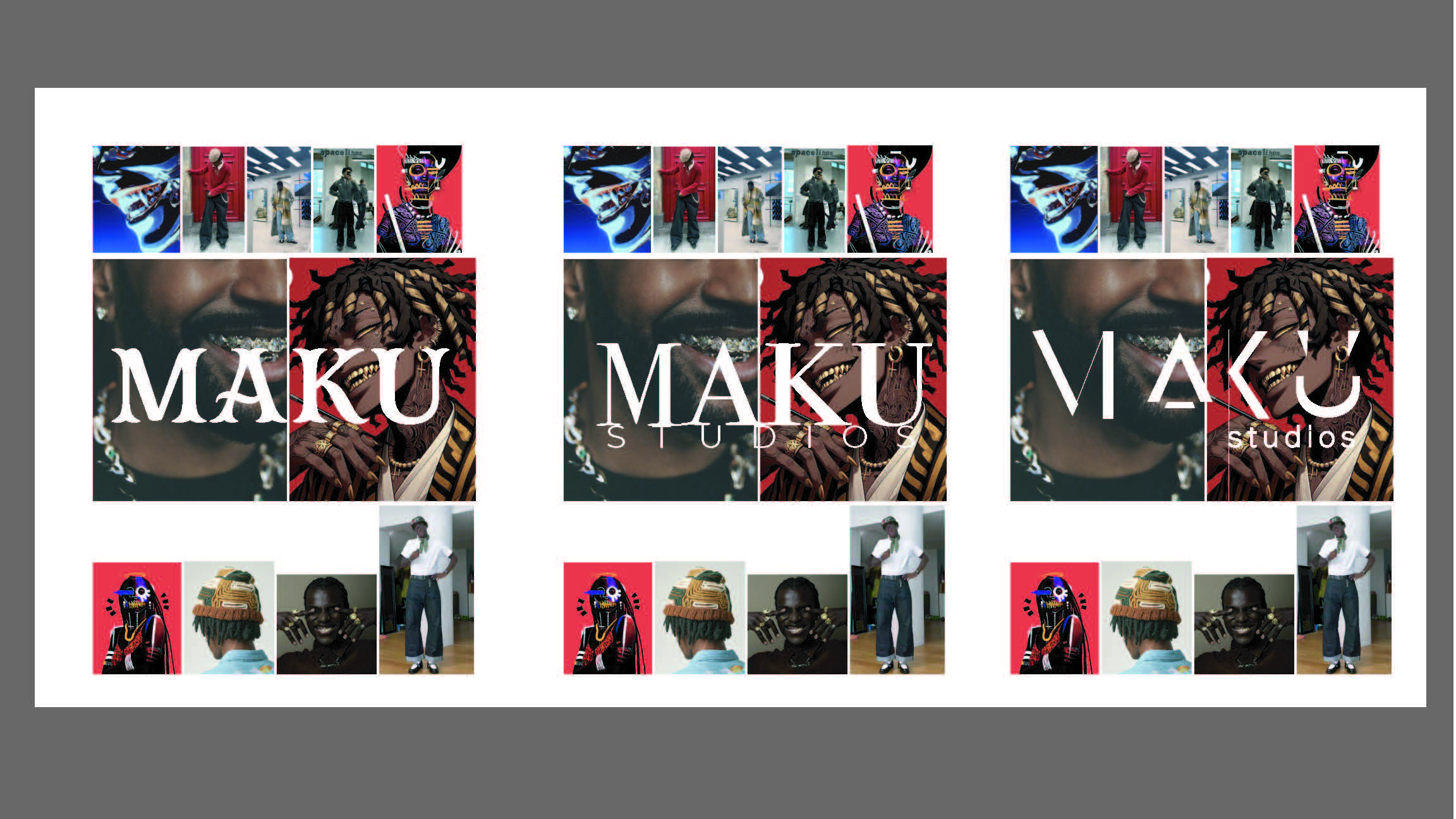
Mood boards were created to explore typography, color palettes, graphic styles, and apparel aesthetics.
This phase helped identify design directions that balance retro, minimalist, and expressive streetwear influences.
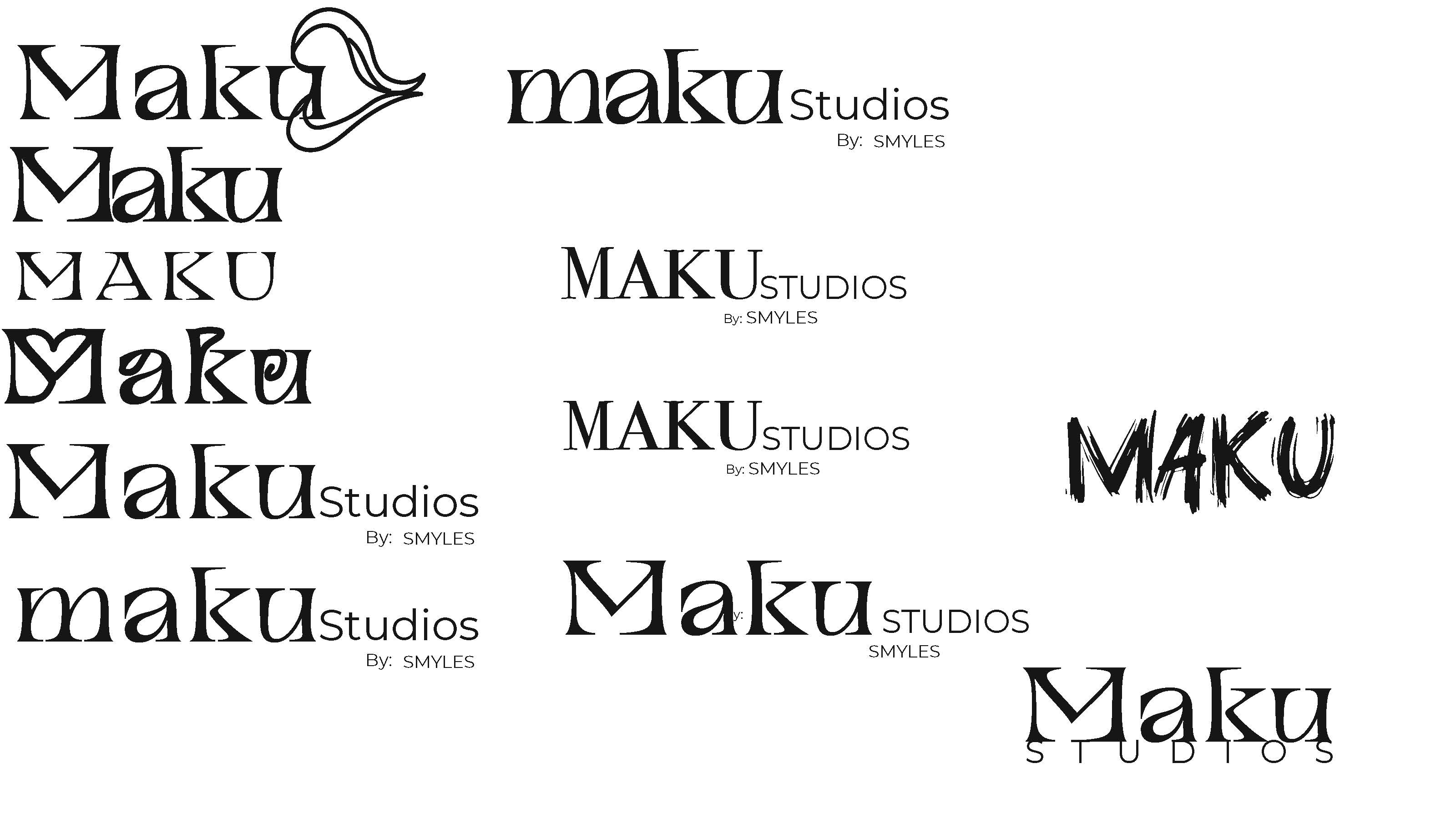
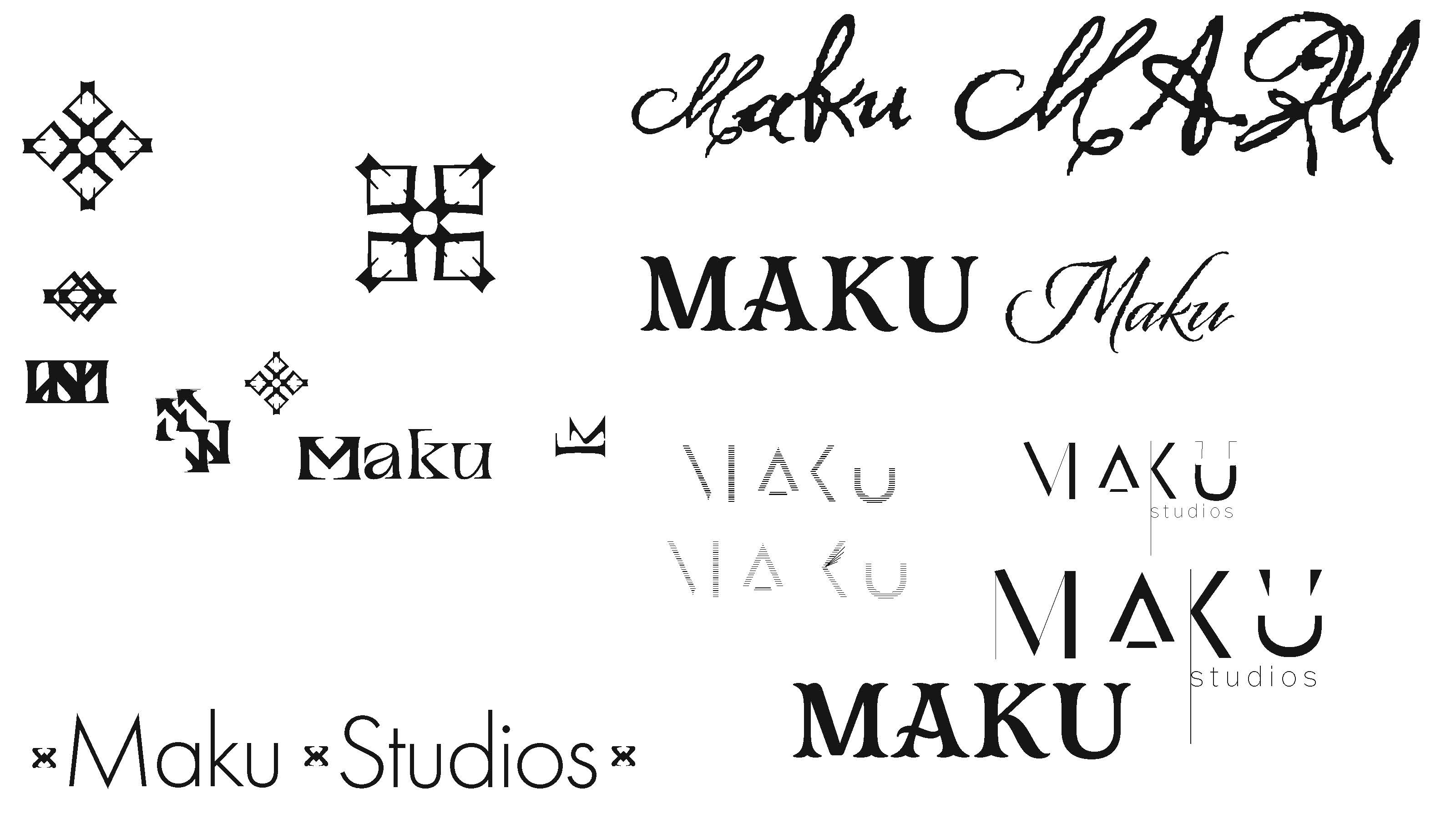
Logo Exploration
Brand identity development began with extensive logo experimentation.
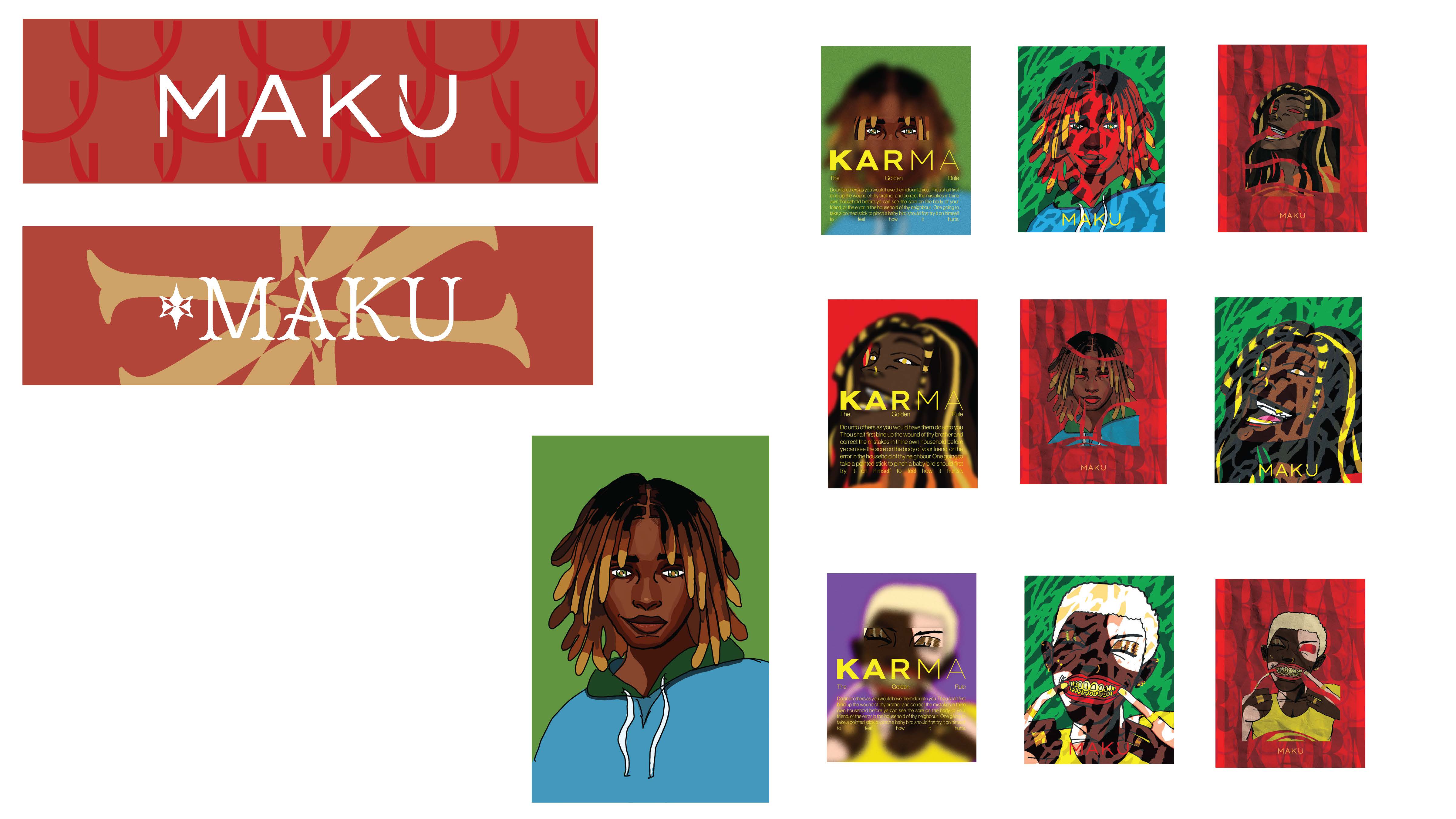
Over 50 variations and iterations of logo designs and color combinations were explored before arriving at the final visual direction.
The goal was to create a mark that felt distinctive while still adaptable to apparel and packaging applications.
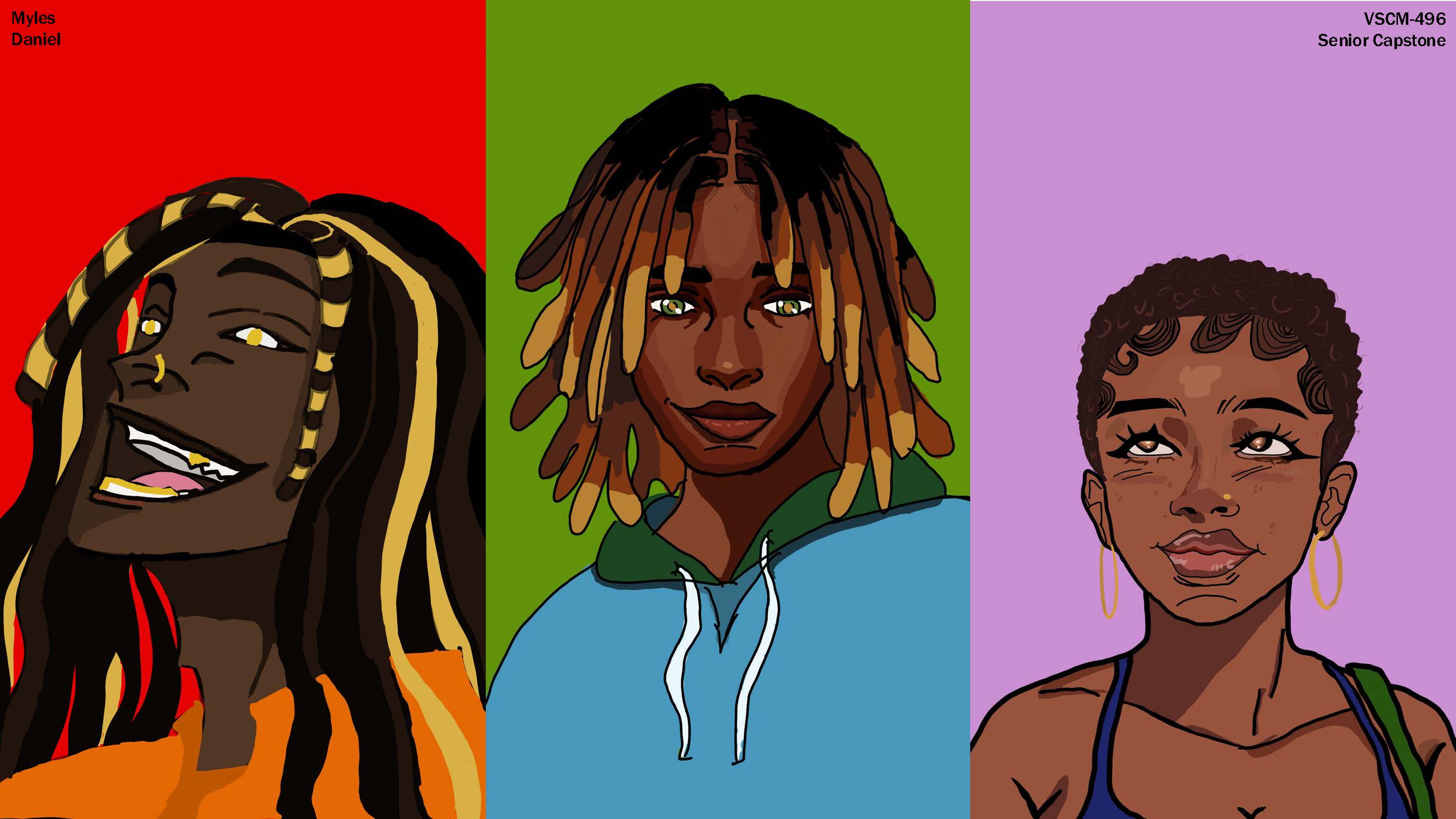
Character Illustration
To further differentiate the brand visually, custom characters were designed using tablet illustration tools.
Three illustrated characters were developed as part of the visual language. These characters later became graphic elements used across apparel and marketing materials.
This approach added personality and storytelling to the brand identity.
Graphic Development
Using Adobe Photoshop and Illustrator, the characters and graphic elements were expanded into:
Posters
Apparel Graphics
Visual Identity Components
Product and Packaging Design
Once the visual identity was established, the graphics were applied to product concepts. Design deliverables included:
Clothing concepts and apparel graphics
Packaging concepts
Physical prototyping involved the use of fabrication tools including:
Laser cutting
Screen printing
Adhesive assembly techniques
This stage explored how the digital design system could translate into physical products.
Digital Experience Design
To complete the brand ecosystem, a website interface was designed to showcase the brand and its products.
The website design focused on:
Clear product presentation
Visual storytelling
Consistent typography and color usage
Brand-focused layout design
This allowed the brand to exist both physically through products and digitally through an online experience.
Final Deliverable
The final project resulted in a full brand ecosystem, including
Brand identity system
Comprehensive branding guidelines
Apparel and jewelry design concepts
Packaging design
Website interface
Marketing visuals and animations
Together, these elements demonstrate how a cohesive brand can translate across physical products, digital platforms, and marketing materials.
Reflections
This project strengthened my ability to approach design from a systems perspective rather than focusing on individual artifacts.
By designing the brand across multiple mediums, I learned how visual identity must remain flexible while still maintaining consistency.
The process also reinforced the importance of research, iteration, and experimentation in building meaningful brand experiences.
Next Steps
If developed beyond a concept, the next phase for Maku Studios would include:
Producing apparel for retail
Launching a full e-commerce experience
Expanding the brand identity across additional marketing campaigns



.jpeg)